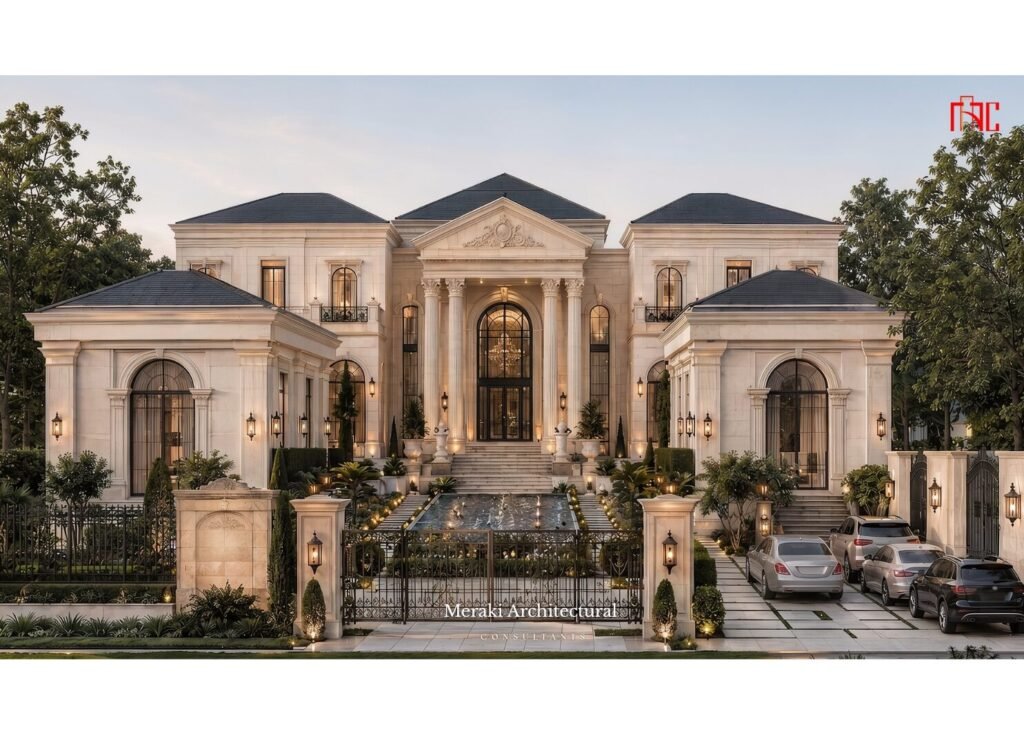
Building a dream home is exciting, but it can also feel overwhelming — architects, contractors, permits, interiors, and a dozen vendors all need to be managed at once. This is exactly why more homeowners today are choosing a turnkey villa project over the traditional, fragmented approach to construction. A turnkey villa solution takes you from an empty plot to a fully finished, move-in-ready home, without you having to coordinate every single detail yourself.
In this article, we walk through what actually happens behind the scenes of a turnkey villa project — from the first blueprint to the final bespoke finish — so you know exactly what to expect before you sign a contract.
What Does “Turnkey” Really Mean in Villa Construction?
The term turnkey villa construction comes from the idea that a homeowner can simply “turn the key” and walk into a completed home. Instead of hiring separate professionals for architecture, structural engineering, interior design, and contracting, a single company manages the entire villa construction process — design, approvals, materials, execution, and finishing — under one roof.
This single-point-of-responsibility model is the core promise of a turnkey construction company: one contract, one timeline, one accountable team, and one final handover.
Step 1: Consultation and Feasibility Study
Every turnkey villa project begins with understanding the client’s vision, budget, and the land itself. A qualified team conducts a feasibility study covering:
- Soil testing and site survey
- Local zoning laws and building codes
- Budget alignment with design ambitions
- Lifestyle needs (family size, future expansion, sustainability goals)
This stage matters because it prevents costly surprises later. Experienced villa builders know that a strong foundation — quite literally — starts with accurate site data, not just architectural imagination.
Step 2: Architectural Design and Bespoke Planning
This is where “blueprint” meets “bespoke.” A good custom villa design process balances the homeowner’s personal taste with structural feasibility and local aesthetics. Architects typically present:
- 2D floor plans and 3D renders
- Material and finish mood boards
- Structural and MEP (mechanical, electrical, plumbing) drawings
- Sustainability features such as passive cooling, solar readiness, or rainwater harvesing
A well-managed turnkey villa project ensures the design team and construction team communicate continuously, so what’s drawn on paper is actually buildable within budget a common failure point in non-turnkey projects.
Step 3: Permits, Approvals, and Legal Compliance
One of the most underappreciated parts of turnkey villa construction is regulatory approval. This includes:
- Building permit applications
- Environmental clearances (if applicable)
- Utility connection approvals
- Homeowners’ association or local authority sign-offs
A reputable turnkey construction company manages this paperwork on the client’s behalf, using established relationships with local authorities to avoid delays — something individual homeowners often struggle with when self-managing a build.
Step 4: Procurement and Material Sourcing
Once permits are secured, procurement begins. This stage defines the difference between a generic build and a genuinely bespoke villa. Materials are selected based on:
- Durability and climate suitability
- Aesthetic alignment with the design vision
- Cost-efficiency without compromising quality
- Vendor reliability and warranty terms
Because turnkey providers work at scale, they typically negotiate better pricing and faster delivery timelines on tiles, fixtures, structural steel, and finishing materials than an individual homeowner could on their own.
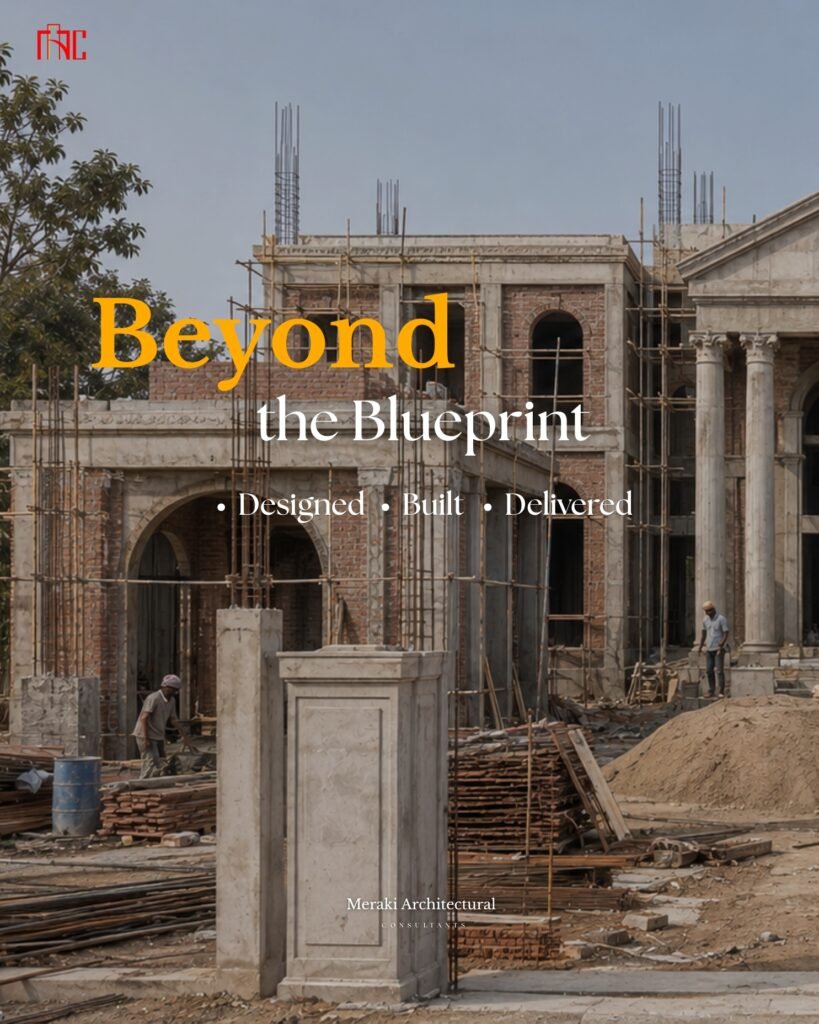
Step 5: Construction and On-Site Execution
This is the most visible phase of any villa construction process, typically broken into:
- Foundation and structural work — excavation, footing, and RCC framework
- Superstructure — walls, roofing, and slab work
- MEP installation — electrical wiring, plumbing, and HVAC systems
- Finishing work — flooring, painting, carpentry, and fixtures
A dedicated project manager typically oversees daily site activity, quality checks, and vendor coordination, giving homeowners a single point of contact instead of juggling multiple contractors themselves. Regular progress reports and site visits are a hallmark of a trustworthy turnkey villa provider.
Step 6: Interior Fit-Out and Bespoke Detailing
This is where a house becomes distinctly yours. Interior fit-out covers:
- Custom cabinetry and modular kitchens
- Lighting design and smart-home integration
- Flooring, wall finishes, and bespoke furniture
- Landscaping and outdoor living spaces
The best turnkey villa project teams treat this stage as the signature of the build — the point where architectural bones are transformed into a livable, personal, and truly bespoke home.
Step 7: Quality Checks and Handover
Before handing over the keys, a thorough villa construction quality audit is essential. This typically includes:
- Structural integrity checks
- Waterproofing and leakage tests
- Electrical and plumbing safety inspections
- Final walkthrough with the homeowner
A transparent turnkey construction company will document every inspection and provide warranty details on structural work, waterproofing, and major fixtures — giving homeowners confidence long after move-in day.
Why Choose a Turnkey Villa Project Over Traditional Construction?
| Factor | Turnkey Villa Project | Traditional Construction |
| Coordination | Single point of contact | Homeowner manages multiple vendors |
| Timeline | Streamlined, predictable | Often delayed due to fragmented scheduling |
| Budget Control | Fixed-cost contracts common | Cost overruns more frequent |
| Accountability | One company, one warranty | Split responsibility across contractors |
| Design Consistency | Unified vision from start to finish | Risk of mismatched execution |
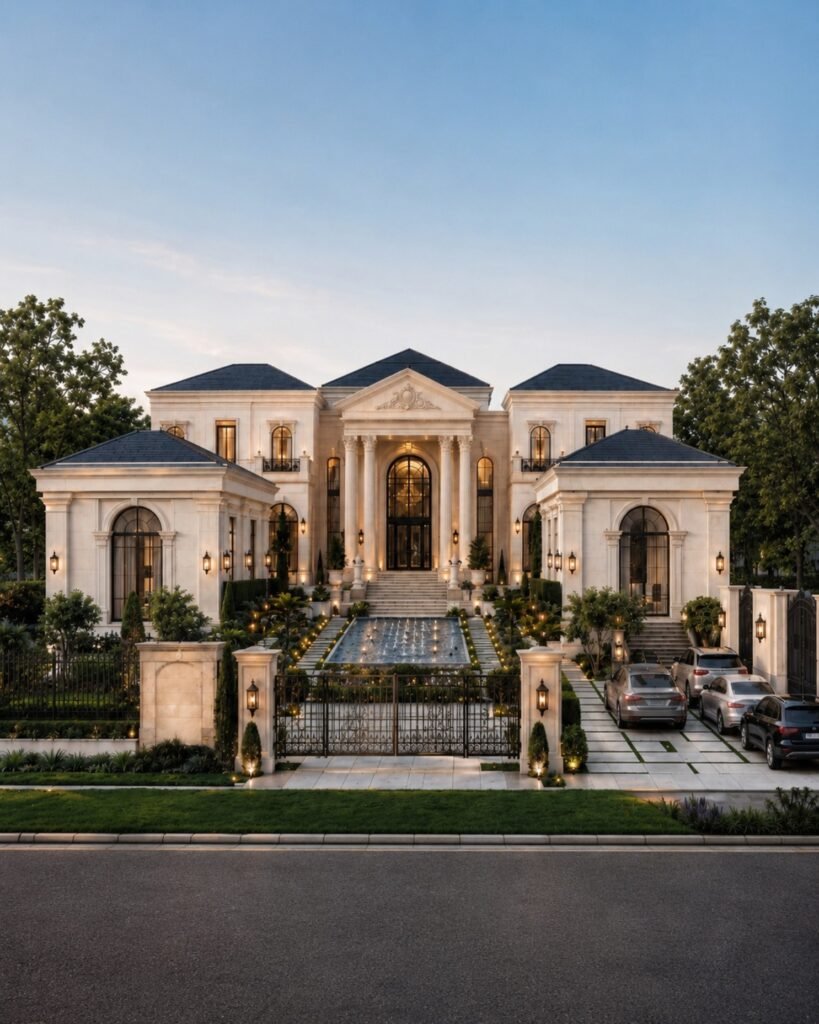
For homeowners who want a bespoke villa without the stress of managing dozens of moving parts, turnkey villa construction remains the most efficient and reliable path from concept to completion.
Frequently Asked Questions About Turnkey Villa Projects
What is a turnkey villa project?
A turnkey villa project is a construction model where a single company handles everything — design, permits, procurement, construction, and interiors — delivering a fully finished, move-in-ready home to the client.
How long does a typical turnkey villa construction take?
Timelines vary by size and design complexity, but most turnkey villa projects take between 8 and 18 months from design approval to final handover.
Is turnkey villa construction more expensive than traditional building?
Not necessarily. While the upfront quote may look higher, turnkey pricing usually includes design, materials, and labor in one fixed cost, reducing the risk of hidden overruns common in traditional, self-managed construction.
Can I still customize the design in a turnkey villa project?
Yes. A genuine bespoke villa approach means the design phase is built around your preferences — turnkey simply means execution is unified, not that customization is limited.
What should I look for in a turnkey construction company?
Look for a proven portfolio, transparent contracts, clear warranty terms, licensed engineers and architects on staff, and a dedicated project manager who provides regular progress updates.
Final Thoughts
A turnkey villa project is far more than a marketing term — it’s a structured, end-to-end methodology that turns an architectural blueprint into a fully realized, bespoke home. From feasibility studies and permits to procurement, construction, and final finishing, every stage is designed to remove complexity from the homeowner’s plate while preserving the personal touch that makes a house truly yours.
If you’re planning your next home and want the reliability of professional villa construction management combined with the freedom to create something genuinely bespoke, a turnkey approach offers the best of both worlds — expert execution, and a home that’s unmistakably yours.
This article reflects industry-standard practices in residential turnkey construction, compiled from established building, architectural, and project-management standards. For project-specific guidance, consult a licensed architect or structural engineer in your region.