Top Interior Design Company: How to Choose the Right Design Partner for Your Home
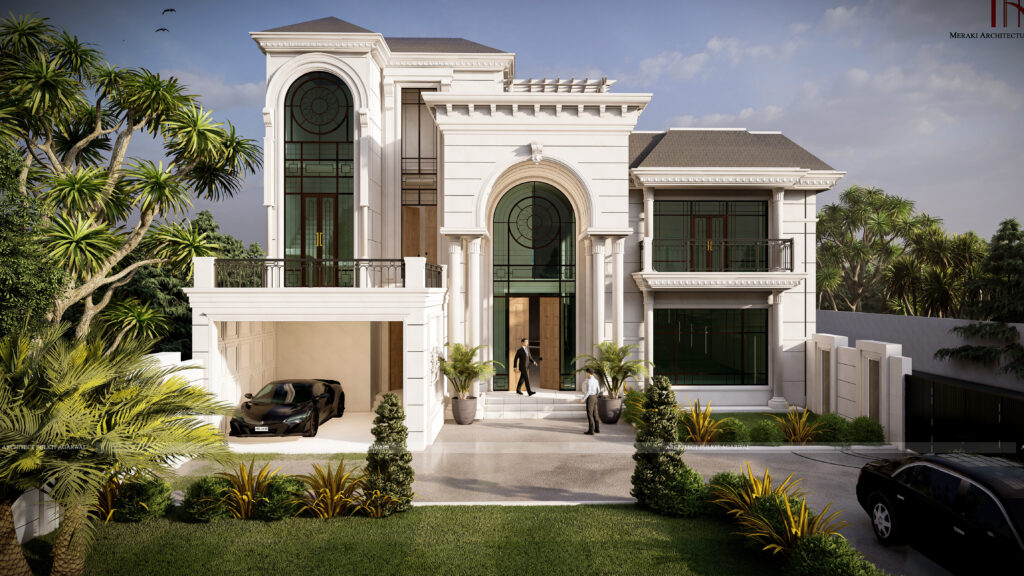
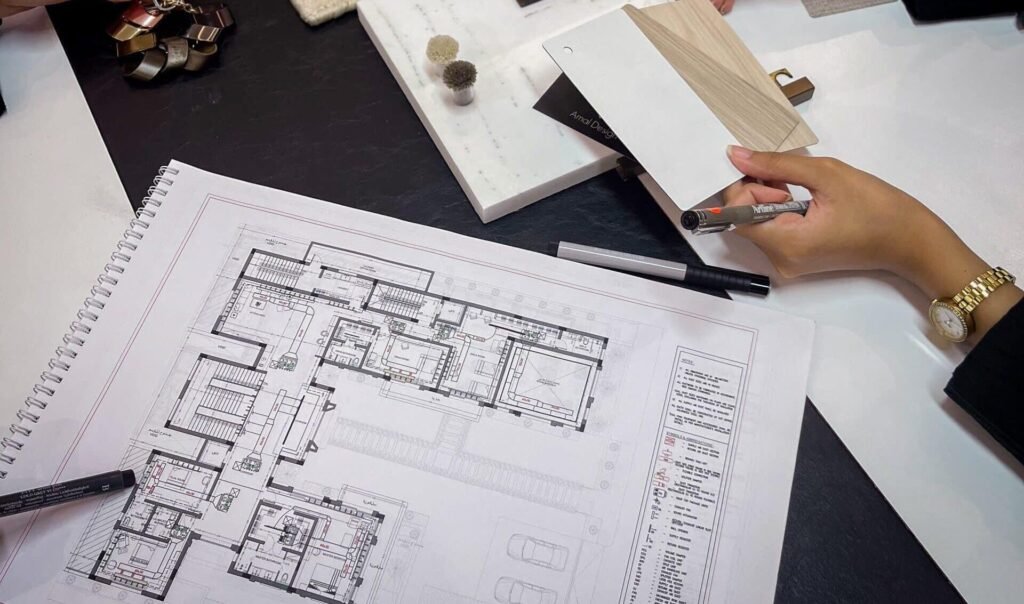
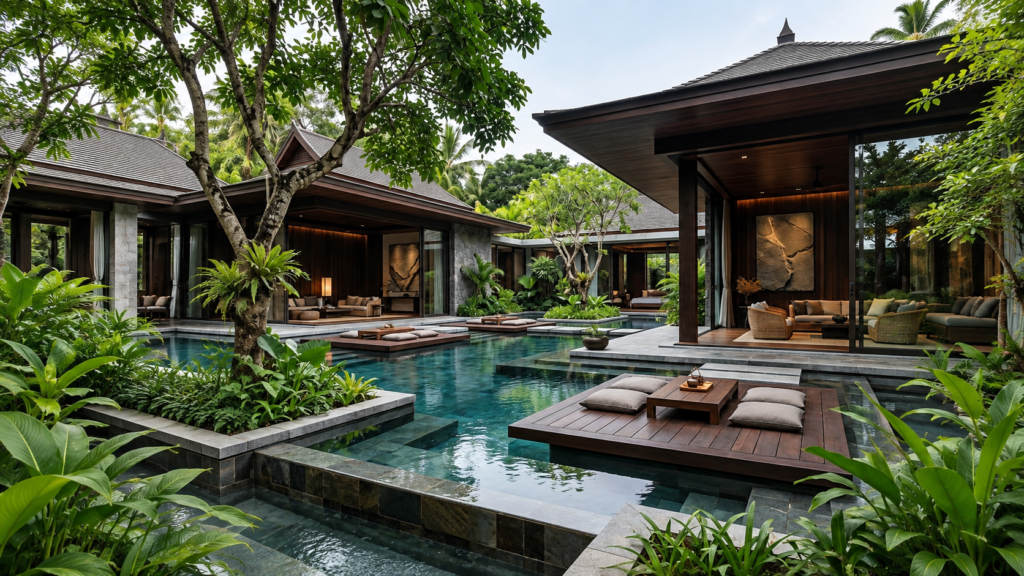
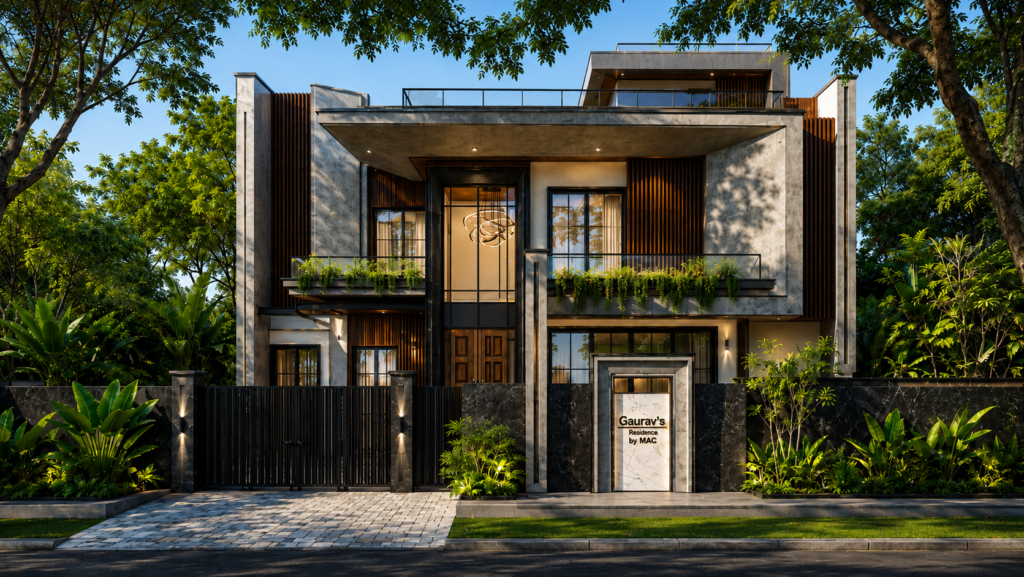
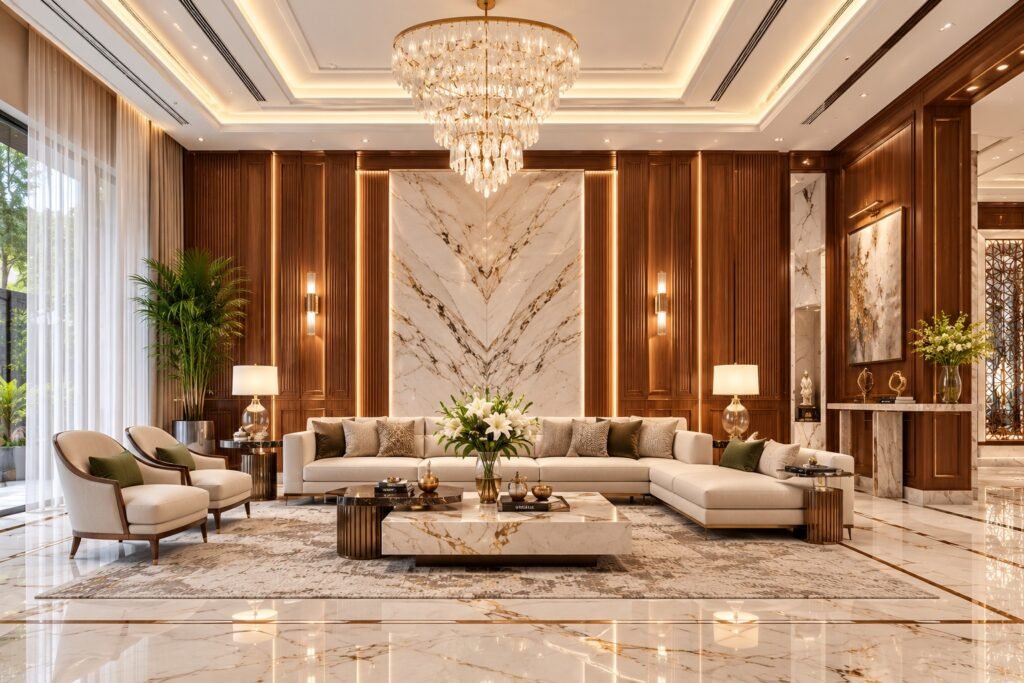
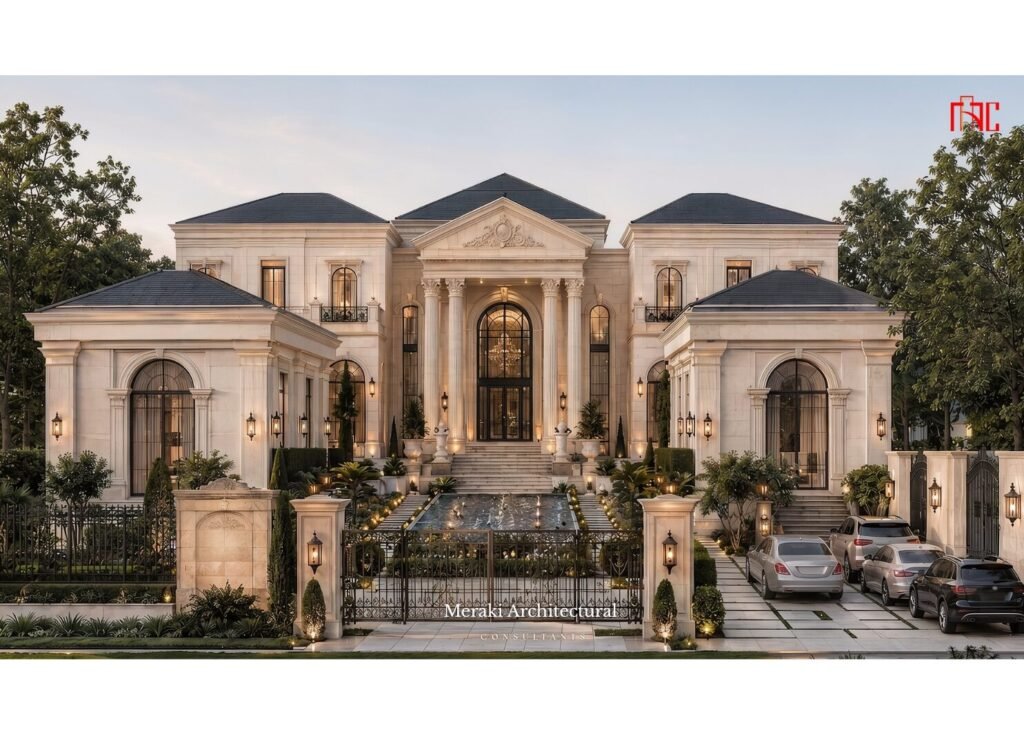
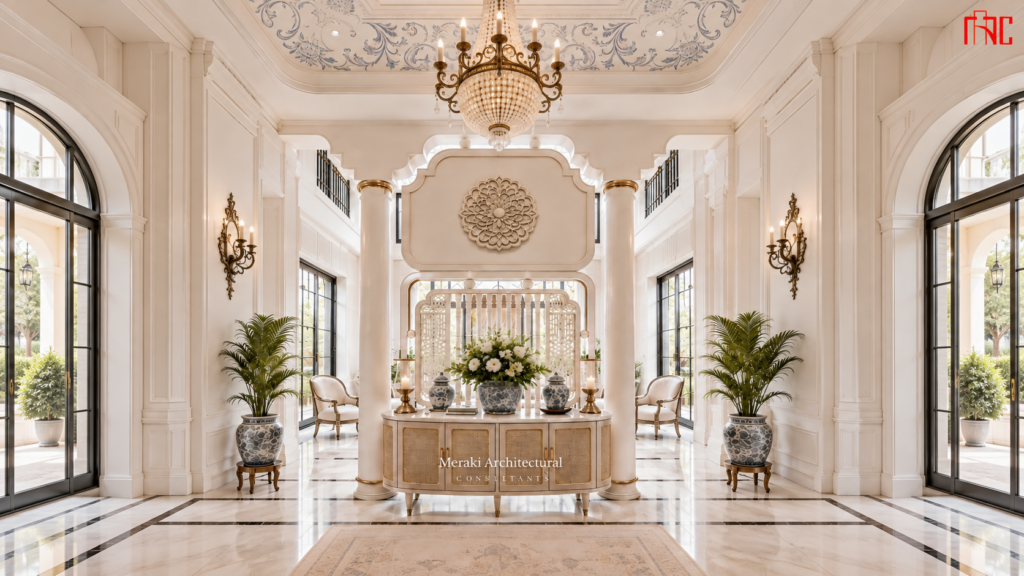
Designing a home is a significant investment, but creating a beautiful interior is only one part of the process. A successful home needs to work around the people living in it. How does the family use the living room? Where is privacy important? How much storage is actually required? How should natural light enter space? Where should furniture, lighting and electrical points be positioned? And how can all these elements come together without making the home feel over-designed? These are the questions that separate thoughtful interior design from decoration. When homeowners search for a top interior design company, they often begin by comparing photographs, styles and quotations. While all three are useful, the right design partner should also demonstrate strong space planning, material knowledge, technical detailing and an ability to translate concepts into buildable solutions. What Does a Good Interior Design Company Actually Do? Interior design involves much more than choosing furniture, colours and decorative finishes. The process can begin with understanding how a family lives. For example, a formal living room used mainly for guests should be planned differently from a family lounge used every evening. A kitchen for someone who cooks frequently requires different storage and workflow from a kitchen primarily used by staff. Professional interior planning may therefore consider: The objective is to make these individual elements feel like parts of one design rather than separate purchases. Searching for the Best Interior Design Near Me? Start With Your Requirements A search for the best interior design near me can produce hundreds of portfolios. Before comparing them, define what you actually need. Are you designing a new villa from the beginning? Do you already have an architect and only require interiors? Is it an apartment renovation? Do you need design consultancy or complete execution? Are you looking for a highly customized luxury interior or a more standardized solution? The answer can significantly change which firm is appropriate. A designer who specializes in compact apartments may be excellent at that work but may not necessarily have the experience required for a large bespoke villa involving custom furniture, double-height spaces, extensive lighting, premium materials and multiple vendors. Relevant experience matters. Look Beyond Beautiful 3D Renders 3D visualization is an important design tool. It helps clients understand proportions, materials, furniture and the overall character of a room before execution. But renders should not be the only criterion for selecting a designer. Ask to see completed work as well. Compare the design visualization with the finished project wherever possible. Look closely at: A beautiful concept is valuable. The ability to translate that concept into a well-executed interior is equally important. Luxury Doesn’t Mean Using Expensive Materials Everywhere Luxury interiors are often misunderstood as interiors filled with marble, brass, chandeliers and expensive furniture. But excessive use of premium materials can sometimes make a room feel busier rather than more luxurious. Good luxury design is usually about restraint. Imagine a living room with beautifully proportioned furniture, one carefully selected marble, subtle wall mouldings, warm lighting, natural fabrics and a strong piece of artwork. Nothing needs to compete for attention. This can feel considerably more sophisticated than a room where every surface is trying to become a feature. Luxury comes from proportion, detailing, material harmony and customization—not simply price. Why Space Planning Should Come Before Decoration One of the most valuable stages of interior design happens before materials are selected. Furniture planning influences almost everything else. Once the positions and dimensions of beds, sofas, dining tables, televisions, consoles and wardrobes are understood, lighting and electrical points can be planned more accurately. It also helps determine circulation. For example, a large sofa may look impressive in a showroom but leave insufficient movement space when placed inside a particular living room. Similarly, an oversized dining table may affect the passage between dining and kitchen areas. A well-planned room should feel comfortable even before the finishes are added. Searching for Interior Design Firms Near Me? Compare the Scope, Not Just the Fee When evaluating interior design firms near me, two quotations can look very different because they may include completely different services. Before comparing professional fees, understand the scope. Ask whether the proposal includes: Also ask how many design revisions are included and what happens if significant changes are requested after approval. A clear scope at the beginning can prevent misunderstandings later. Why Architecture and Interior Design Should Be Coordinated For a new residence, interior planning shouldn’t ideally begin after the architecture is completely frozen. Consider a bedroom. The architect decides the positions of windows and doors. The interior designer decides the bed, wardrobes, television, lighting and furniture. If these decisions happen independently, conflicts can appear. A window may occupy the ideal bed wall. An air-conditioning vent may interfere with a curtain. A structural beam may affect the false ceiling. An electrical point may end up behind furniture. When architecture and interiors are coordinated early, these problems can often be resolved before construction reaches that stage. This is one reason homeowners planning independent residences sometimes prefer working with a practice that can coordinate architecture and interiors together. Looking for the Best Architect Near Me? Consider the Complete Project A search for the best architect near me should go beyond finding someone who can create an attractive elevation. For a new home, architecture determines the framework within which the interior will eventually exist. Room dimensions, ceiling heights, windows, courtyards, staircases, balconies and garden connections all influence the interior experience. Before hiring an architect, consider: Relevant experience: Has the architect worked on similar residential projects? Planning approach: Is enough attention given to lifestyle, circulation and privacy? Architectural character: Does the portfolio demonstrate a clear understanding of proportion and style? Technical documentation: Can concepts be translated into working drawings? Coordination: How will structural, MEP, landscape and interior requirements be integrated? Site involvement: What support is available during construction? There isn’t one universal “best” architect. The better choice is the professional whose expertise and process match your particular project. What Should
Top Interior Design Company: How to Choose the Right Design Partner for Your Home Read More »