
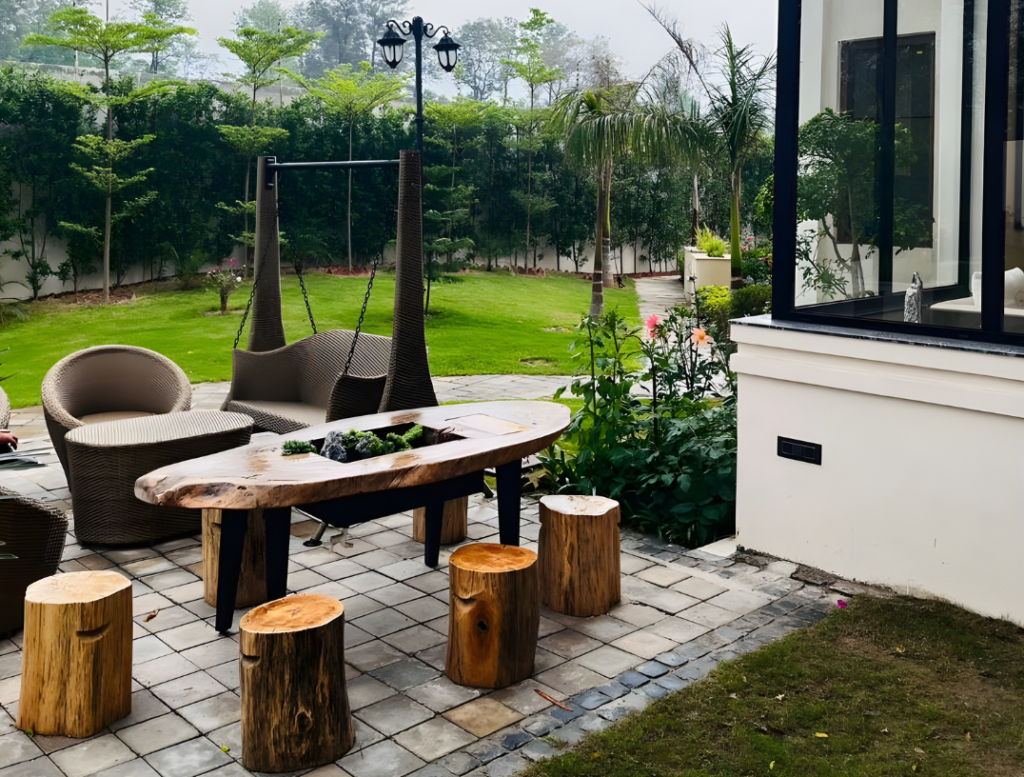
By a residential architecture & design specialist with over a decade of experience planning villa landscapes across India
Quick Answer
Outdoor living spaces — including courtyards, terraces, and al fresco areas — have become central to modern villa design in India, blending traditional architecture with contemporary comfort. A well-planned outdoor space can increase a villa’s livable area by up to 30%, improve natural ventilation, and add significant resale value. This guide covers the best design approaches, materials, and planning tips for creating functional, beautiful outdoor spaces suited to Indian climates and lifestyles.
Why Outdoor Living Spaces Matter for Indian Villas
India’s climate — long summers, monsoon rains, and mild winters in most regions — makes outdoor living design both a challenge and an opportunity. Historically, Indian homes relied on the central courtyard, or aangan, to regulate temperature, bring in light, and create a private family gathering space. Today’s architects are reviving this concept while integrating modern materials, smart shading, and multifunctional layouts.
A thoughtfully designed outdoor living space does more than add beauty. It:
- Extends usable square footage without major construction costs
- Improves cross-ventilation and passive cooling
- Creates a buffer zone between public and private areas of the home
- Boosts property value and buyer appeal
- Supports Indian lifestyle habits — from morning yoga to evening family gatherings
1. Courtyards: The Heart of Traditional Indian Villa Design
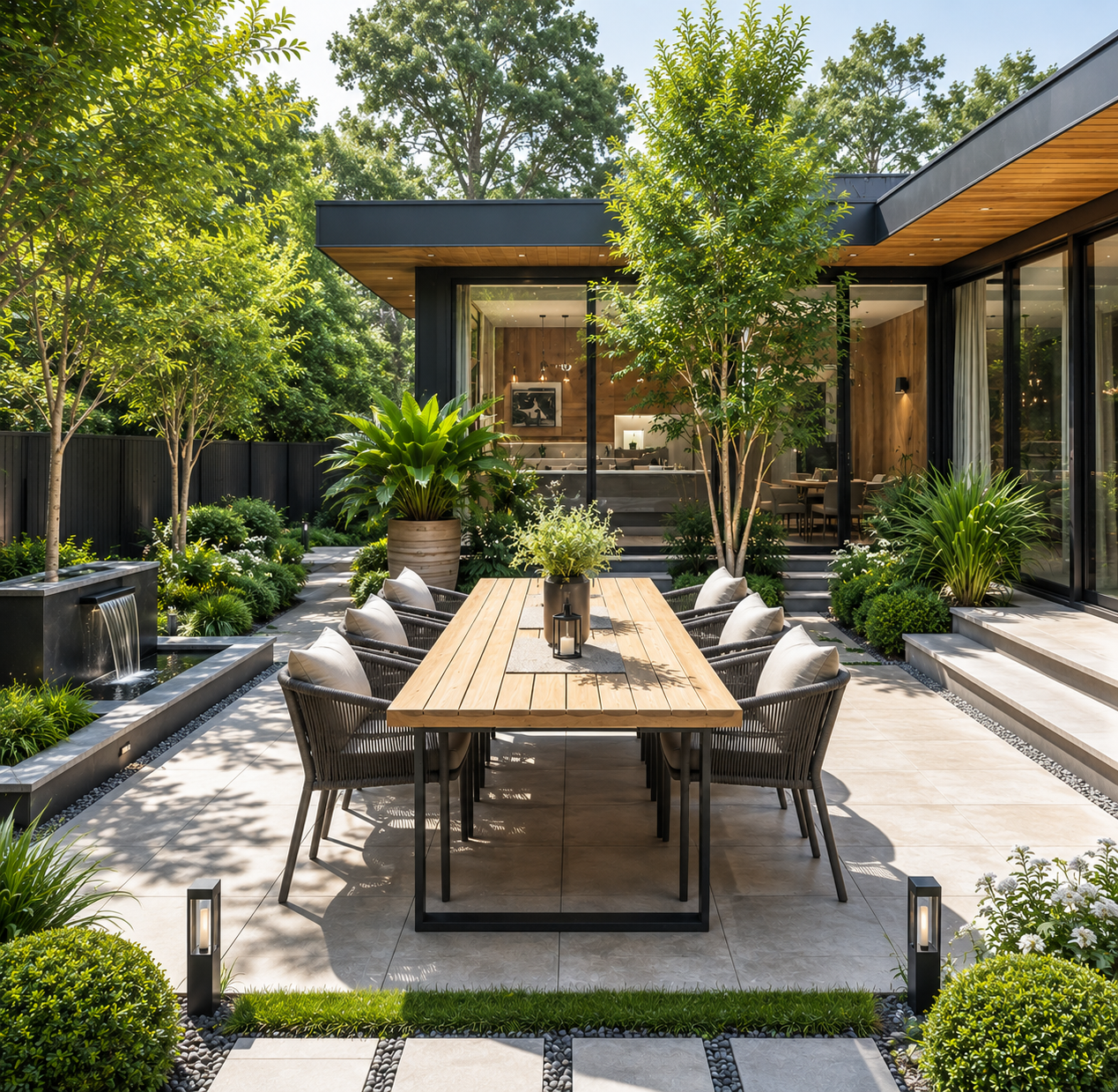
The courtyard, or aangan, remains one of the most effective outdoor living solutions for Indian villas. Positioned centrally or toward the rear of the home, courtyards allow light and air to reach interior rooms that would otherwise depend entirely on artificial lighting and cooling.
Key design elements for a modern courtyard:
- Open-to-sky layout with a water feature or reflecting pool for passive cooling
- Native shade trees such as frangipani, neem, or ashoka for filtered sunlight
- Permeable flooring (natural stone, terracotta tiles, or gravel) to manage monsoon runoff
- Seating nooks integrated into courtyard walls for daily use, not just special occasions
Courtyards work particularly well in villa layouts with an inward-facing plan, common in Rajasthan, Gujarat, and South Indian architectural traditions. Builders increasingly combine this heritage approach with double-height glass walls, letting the courtyard become a visual centerpiece visible from multiple rooms.
2. Terraces: Elevated Outdoor Living
Terraces offer villa owners a private, elevated outdoor living space ideal for entertaining, relaxing, or gardening. Unlike ground-level courtyards, terraces benefit from breeze exposure and skyline views, making them especially popular in villa communities near hill stations or coastal regions.
Popular terrace design trends in Indian villas include:
- Rooftop gardens with raised planter beds for herbs, vegetables, or ornamental plants
- Pergolas and bamboo shading structures to reduce direct sun exposure during peak hours
- Outdoor kitchens and bar counters for weekend entertaining
- Weatherproof furniture in teak, rattan, or powder-coated aluminum that withstands humidity
For villas with limited plot size, a terrace can effectively double as a second living room — particularly valuable in urban and semi-urban developments where horizontal expansion isn’t possible.
3. Al Fresco Spaces: Dining and Entertaining Outdoors
Al fresco living — dining, lounging, and entertaining outdoors — has grown rapidly in popularity among Indian villa owners, especially post-pandemic, as families sought more connection with nature. An al fresco space typically combines a covered patio, a dining or lounge area, and landscaping that softens the transition between indoors and outdoors.
Design considerations for al fresco areas:
| Element | Recommendation |
| Flooring | Slip-resistant natural stone or textured tiles |
| Shading | Retractable awnings, pergolas, or shade sails |
| Lighting | Warm LED strip lighting, lanterns, or fire pits |
| Furniture | Modular, weather-resistant seating and dining sets |
| Landscaping | Layered planting with seasonal flowers and evergreens |
Al fresco dining areas near the kitchen or connected via sliding glass doors create a seamless indoor-outdoor flow — a hallmark of premium villa design across Bengaluru, Pune, and the National Capital Region.
Materials Suited to Indian Climate Conditions
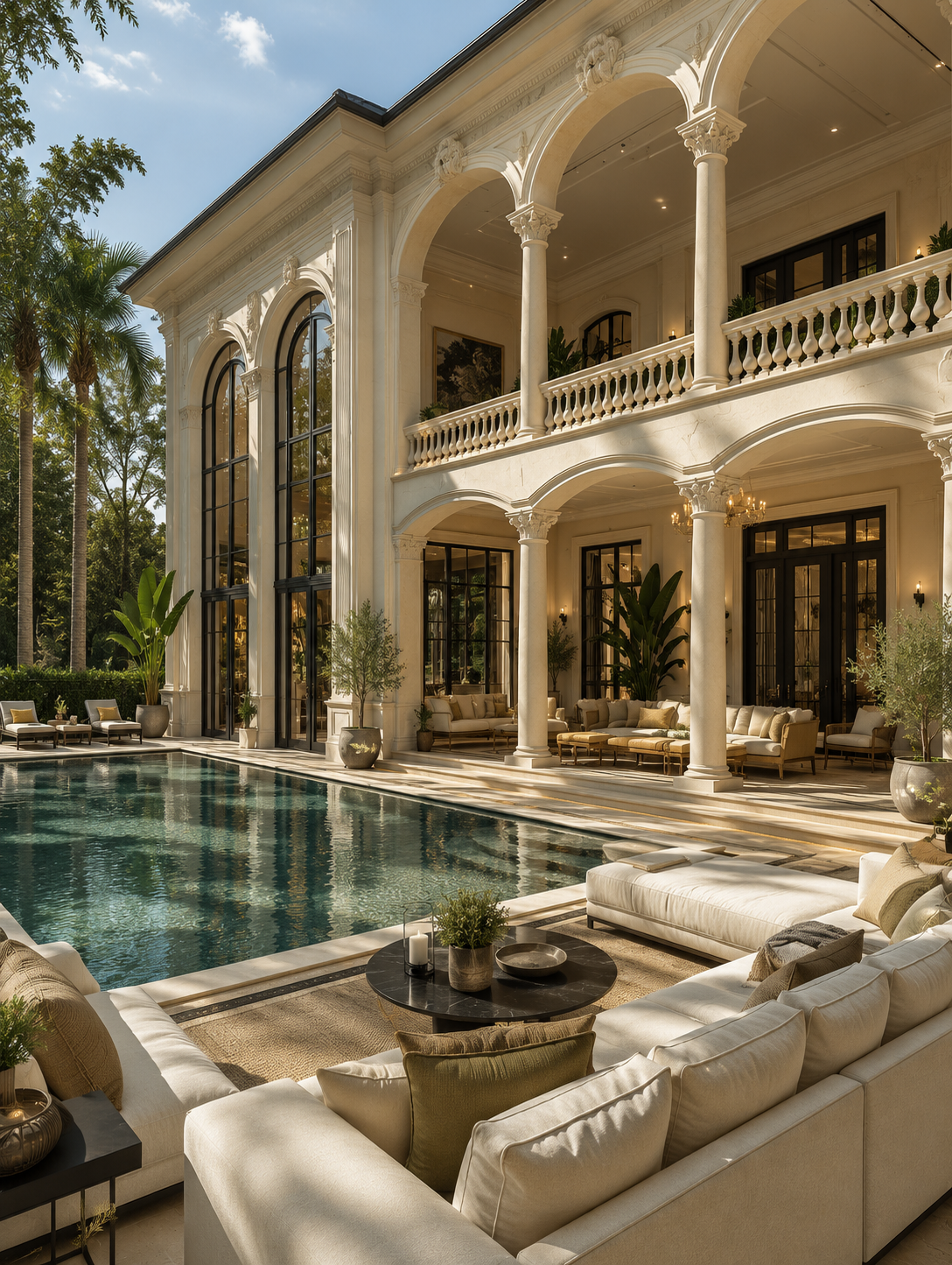
Choosing the right materials is essential for outdoor living spaces to withstand India’s varied climate:
- Natural stone (kota, sandstone, granite) — durable, heat-resistant, and locally sourced
- Teak and sal wood — weather-resistant hardwoods ideal for pergolas and furniture
- Terracotta tiles — traditional, breathable, and cooling underfoot
- Powder-coated metal — resists rust in humid or coastal climates
- UV-stabilized fabrics — for cushions, awnings, and outdoor curtains
Planning Tips for Villa Owners
- Orient outdoor spaces away from harsh western sun exposure where possible, or add adequate shading.
- Integrate drainage systems early in the design to manage monsoon water flow.
- Use native, drought-tolerant plants to reduce long-term maintenance and water use.
- Balance privacy and openness with landscaping, screens, or jali (lattice) walls.
- Plan for year-round use with retractable shading, ceiling fans, or misting systems for summer comfort.
Frequently Asked Questions
What is the difference between a courtyard and a terrace in villa design?
A courtyard is typically an open-to-sky space at ground level, often enclosed by the villa’s walls on multiple sides, while a terrace is an elevated outdoor space, usually on an upper floor or rooftop, offering views and breeze exposure.
Which outdoor flooring is best for Indian weather?
Natural stone such as kota or sandstone, along with terracotta tiles, are best suited for Indian villas because they stay cool underfoot, resist weathering, and handle monsoon moisture well.
How much does it cost to add an al fresco space to a villa?
Costs vary widely based on size and materials, but a mid-range al fresco patio with shading, flooring, and furniture typically adds meaningful value relative to its investment, particularly when it expands usable living area.
Do courtyards actually help cool a villa naturally?
Yes. Open courtyards promote the stack effect, where hot air rises and exits through open sky access, drawing cooler air through shaded interior spaces — a passive cooling method used in Indian architecture for centuries.
Final Thoughts
This article draws on established principles of Indian residential architecture and current villa design trends observed across major Indian markets. For a project-specific outdoor living plan, consult a licensed architect or landscape designer familiar with your region’s climate conditions.
Contact:- https://merakiarcht.com/contact/ , +91 9211961199
399pak is a hidden gem. Found some really niche games there that I haven’t seen anywhere else. If you are looking for something different, this is the place. Definitely worth a look 399pak.